
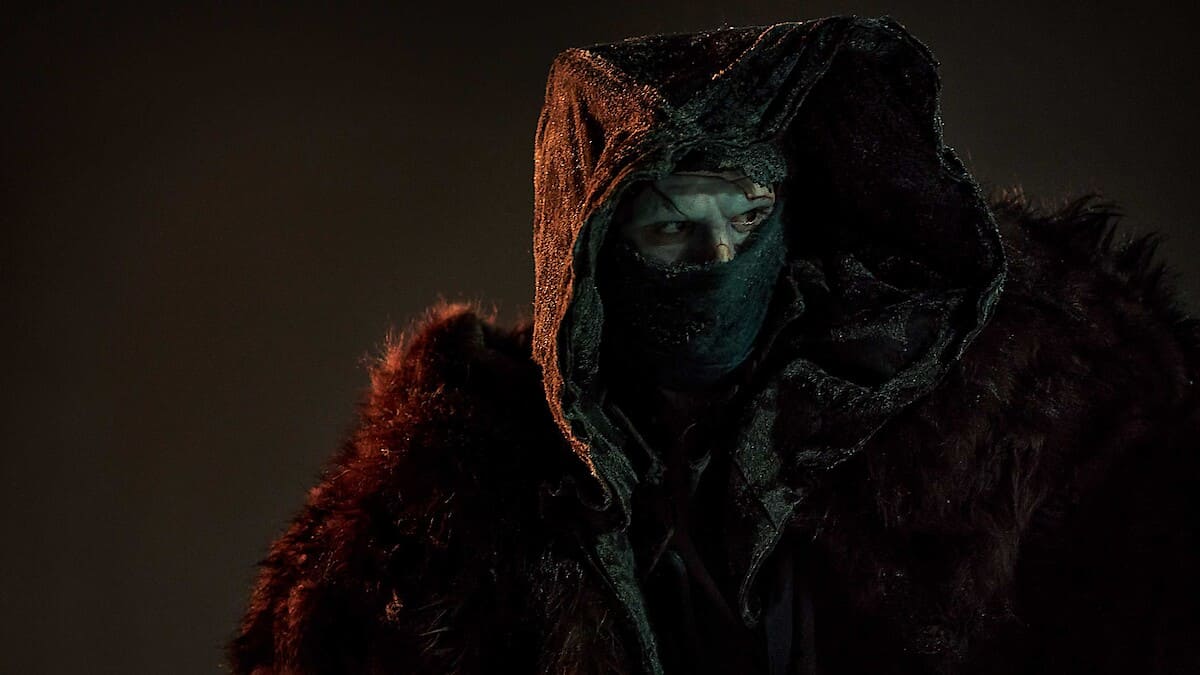

Guillermo del Toro’s highly anticipated adaptation of Frankenstein for Netflix isn’t just another monster movie; it’s a passion project that is already generating Oscar buzz for 2026. Featuring a stellar cast including Oscar Isaac, Mia Goth, and Jacob Elordi, new behind-the-scenes details reveal a production that blends extreme physical horror with psychological depth.
The director and cast opened up about the grueling routine on set and the philosophy behind this reimagining of Mary Shelley’s classic.

The Creature’s Physical Agony: 42 Prosthetics and Butoh Dance
The absolute highlight from behind the scenes is Jacob Elordi’s transformation. The actor, playing The Creature, endured a daily makeup marathon lasting around 11 hours. To bring the monster to life, Elordi wore 42 prosthetic pieces over his body, with 14 on his head and neck alone.
But the performance goes beyond makeup. Elordi revealed he based the character’s movements on Butoh dance, a Japanese performance art known as “the dance to reanimate a corpse.” His goal is to evoke empathy, not just fear: “We are all born as this Creature in this world, before we become conscious,” the actor explained.
A Father and Son Dynamic (Skipping Freud)
While the story is often analyzed through psychoanalytic lenses, del Toro rejects a purely academic approach. For him, the relationship between Victor Frankenstein and his Creation is deeply personal.
“I think this was influenced more by my father and me, and by me and my kids, than by Freud,” the director stated, joking that he himself is “easy to read,” dismissing complex analyses from the father of psychoanalysis.
Victor Frankenstein: The Wounded Child Who Doesn’t Grow
Oscar Isaac, playing the mad scientist, offered a dark take on his character. Unlike The Creature, who learns and evolves, Victor is static. “He doesn’t transform. He remains the wounded child. In any reaction, he is still nine years old,” Isaac said.
The actor also praised the creative freedom on set. Expecting a controlling director due to del Toro’s visual perfectionism, Isaac was surprised to find an atmosphere of “free experiment,” where collaboration dictated the rhythm of filming.

 EN
EN  PT
PT  ES
ES