
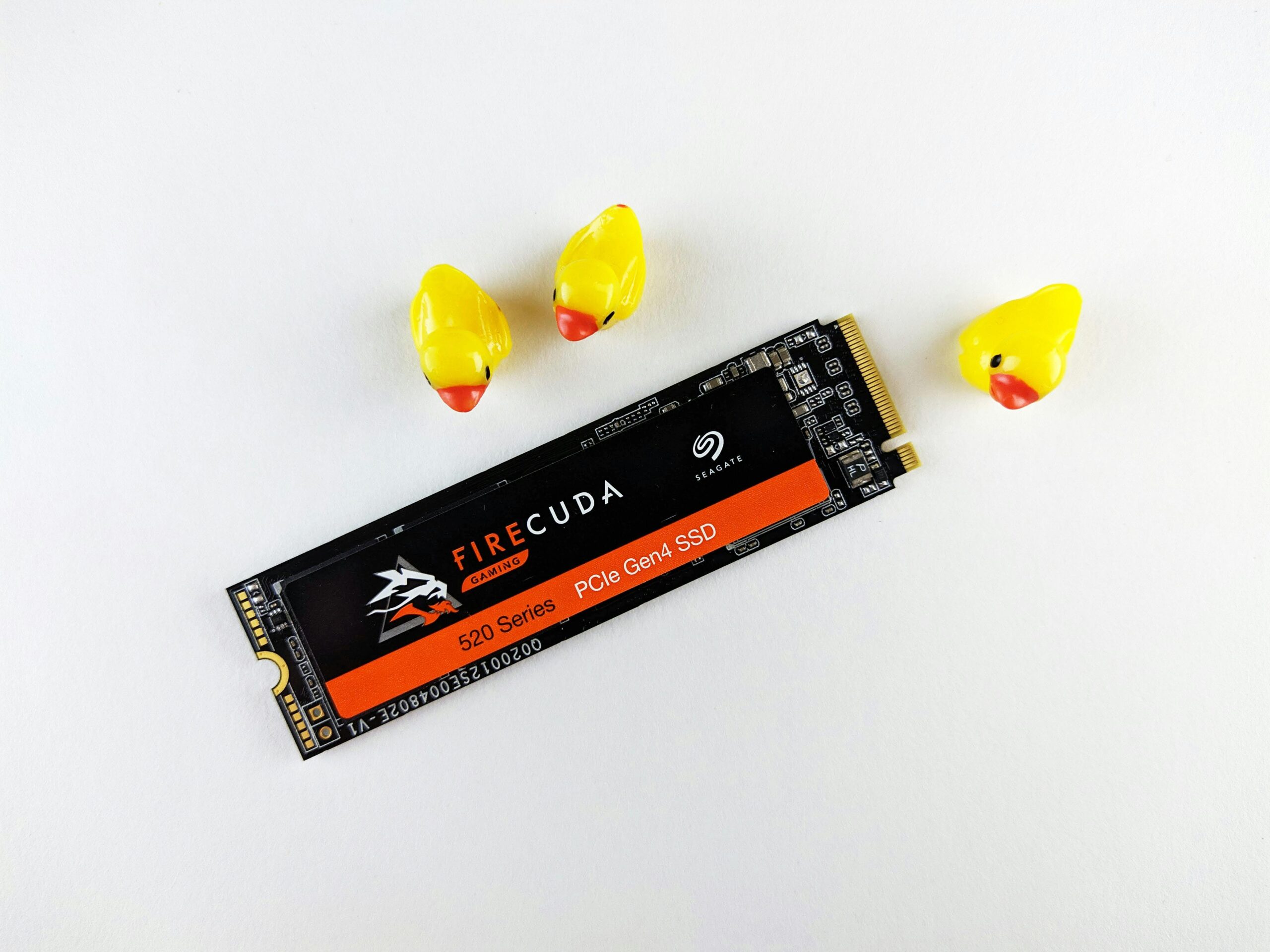

If you were waiting for a sale to grab that 4TB NVMe SSD, we have terrible news. The storage market is about to undergo a brutal supply shock. Reports from South Korea (Chosun Biz) confirm that giants Samsung and SK hynix are deliberately slashing NAND production (used in SSDs) to prioritize DRAM and HBM (High Bandwidth Memory) manufacturing.
The reason is purely financial: Artificial Intelligence pays better. Much better.
The “Calculated Scarcity” Maneuver
The logic is cruel but simple. Semiconductor production lines are finite. Realizing that demand for DRAM for AI servers is insatiable and offers stratospheric profit margins, manufacturers have decided to divert resources and silicon wafers from the NAND sector (consumer) to the DRAM sector (enterprise).
The immediate result is a reduction in the global supply of chips for SSDs. With less product on the market, prices rise. It is a classic supply manipulation strategy to force a hike in contract prices, ensuring that even the “less profitable” storage sector begins to yield fat margins.
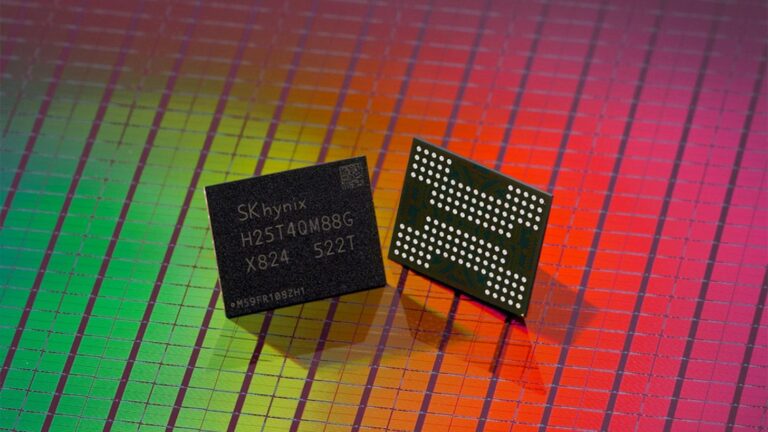
The NVIDIA Rubin Factor and “Agentic AI”
But it’s not just a matter of shifting focus. AI itself is now devouring SSDs. With the arrival of the NVIDIA Rubin platform and the rise of “Agentic AI Systems” (AIs that maintain long-term memory and complex context), the need for fast storage has exploded.
It is estimated that NVIDIA’s rack solutions alone will consume 115.2 million Terabytes of NAND by 2027. The KV (Key-Value) cache, essential for AI to “remember” conversations and data, requires top-tier SSDs. In short: you, the consumer who just wants to install games, are now competing for the same chips that power the world’s most powerful supercomputers. The result will inevitably be emptier shelves and higher prices.

 EN
EN  PT
PT  ES
ES