

Starting the year promising to “eat better” is easy; keeping the discipline when life gets busy is the hard part. In 2026, nutrition apps have evolved from simple calorie calculators into complete health assistants, using Artificial Intelligence to identify patterns and suggest habit changes.
Whether your goal is weight loss, muscle gain, or simply understanding what’s on your plate, we reviewed the 5 most promising options available for Android and iPhone.
1. MyFitnessPal (The Data Giant)
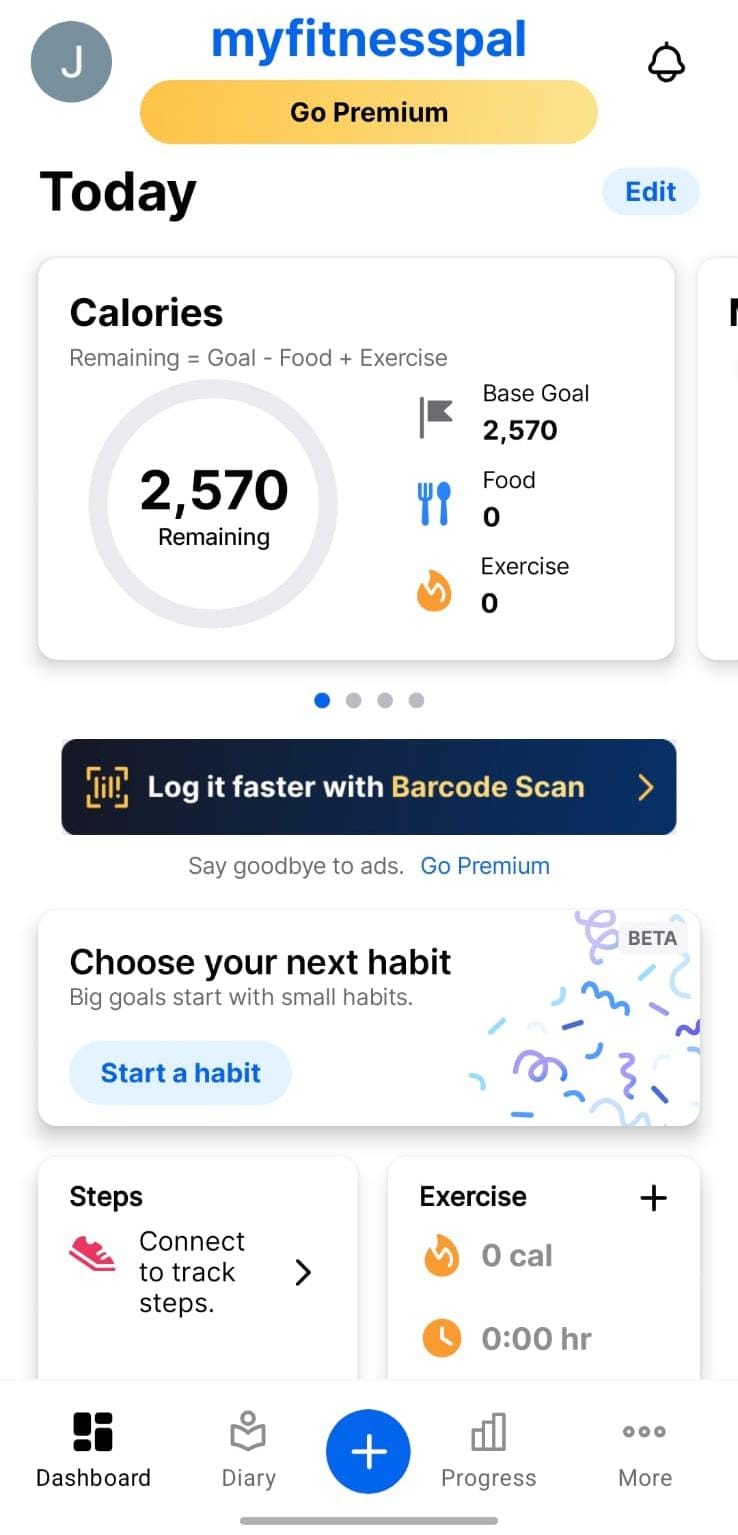
MyFitnessPal remains the “Google” of nutrition apps. Its greatest strength lies in its colossal database of over 20 million foods. If you buy an obscure snack at a convenience store, it’s probably there.
- ** The Differentiator:** Integration. It talks to virtually any smartwatch or workout app (Strava, Garmin, Apple Health).
- Best For: The analytical user who wants maximum precision in macros and doesn’t mind a denser interface.
2. Lifesum (Visual and Intuitive)
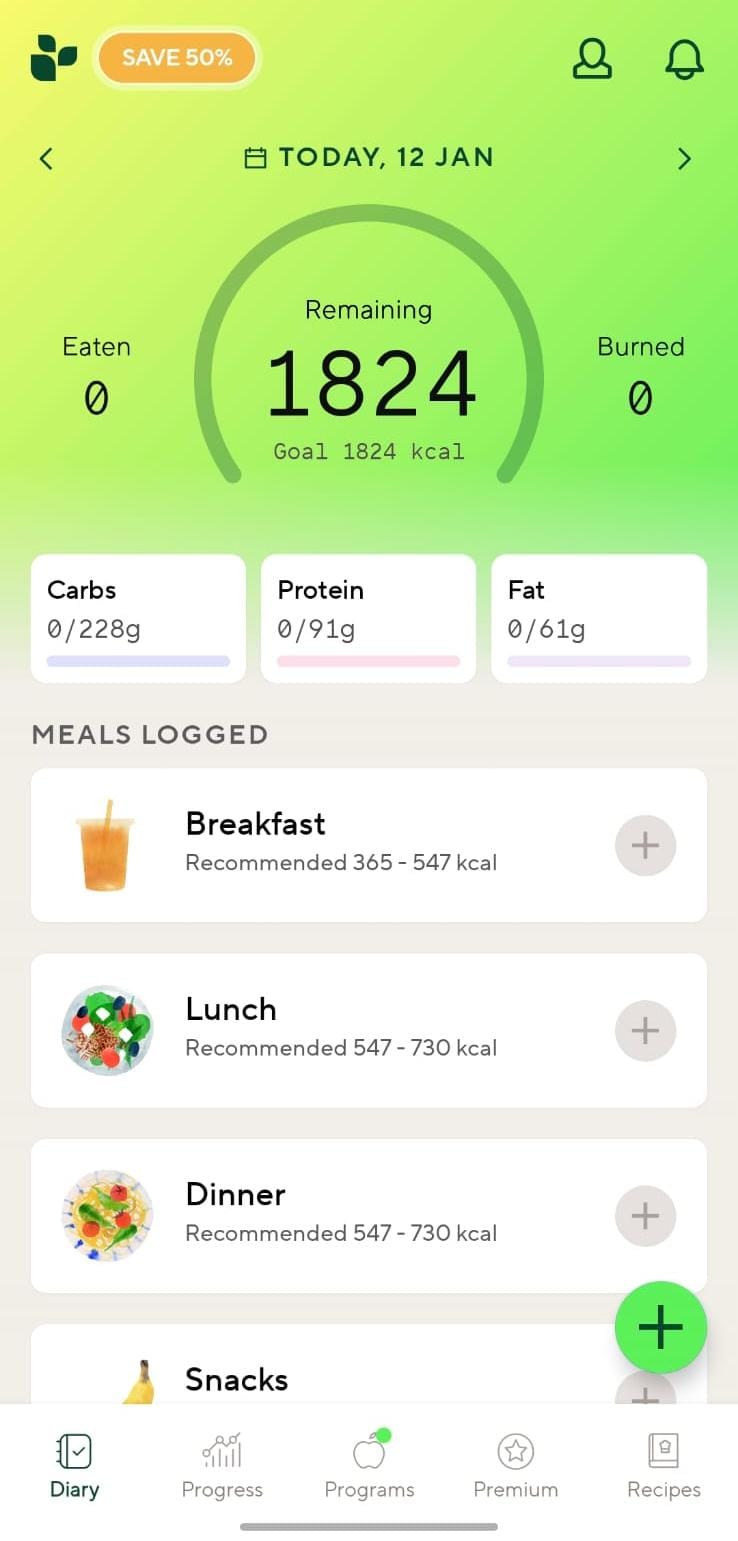
If MyFitnessPal is an Excel spreadsheet, Lifesum is Instagram. With a clean and colorful Scandinavian design, it focuses on making food logging enjoyable, not a chore. The highlight is the “Life Score” feature, which gives a weekly grade to your nutrition, encouraging the consumption of more water, fish, and vegetables without being punitive.
- The Differentiator: The barcode scanner and photo recognition are extremely fast.
- Best For: Visual people seeking balance and “detox” without the neurosis of counting every single gram.
3. Nutrilio (Behavioral Focus)
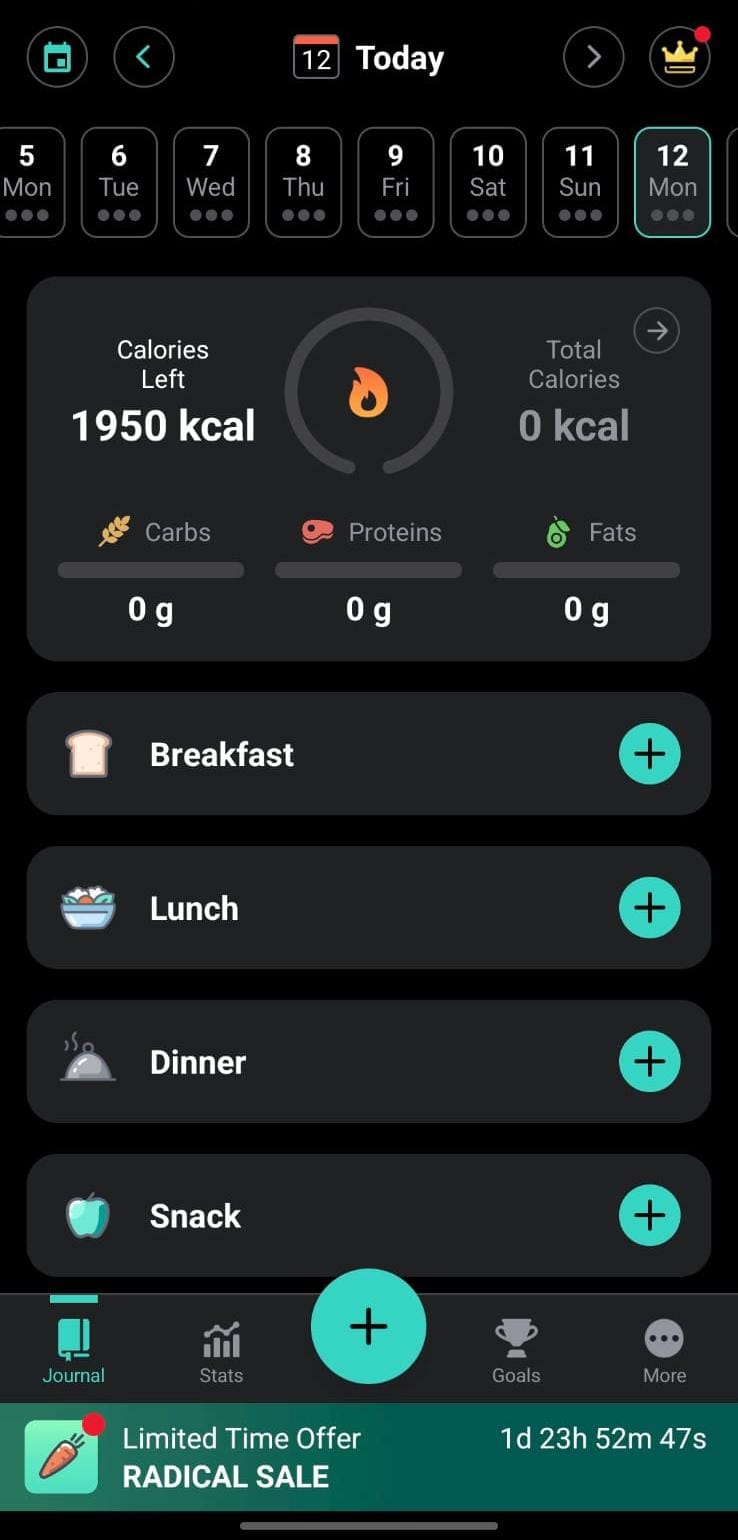
Nutrilio goes against the grain. Instead of focusing solely on numbers, it focuses on how you feel. It is a minimalist habit tracker. You log what you ate and then how you felt (bloated, energetic, tired). Over time, the app’s AI shows patterns, like “you always feel tired when you eat dairy.”
- The Differentiator: Symptom and mood tracking crossed with diet.
- Best For: Those who suspect food intolerances or want to practice mindful eating.
4. Alimente-se (The Personalized Solution)
This app shines in customizing specific diets. Whether Low Carb, Vegan, Gluten-Free, or Hypercaloric, “Alimente-se” comes with pre-configured plans. It works very well as a “pocket nutritionist” for those who need a structured meal plan and don’t want to overthink what to cook.
- The Differentiator: Focus on verified nutritional tables, avoiding common errors found in collaborative apps where users input wrong data.
- Best For: Beginners who need a roadmap with ready-made menus and practical recipes.
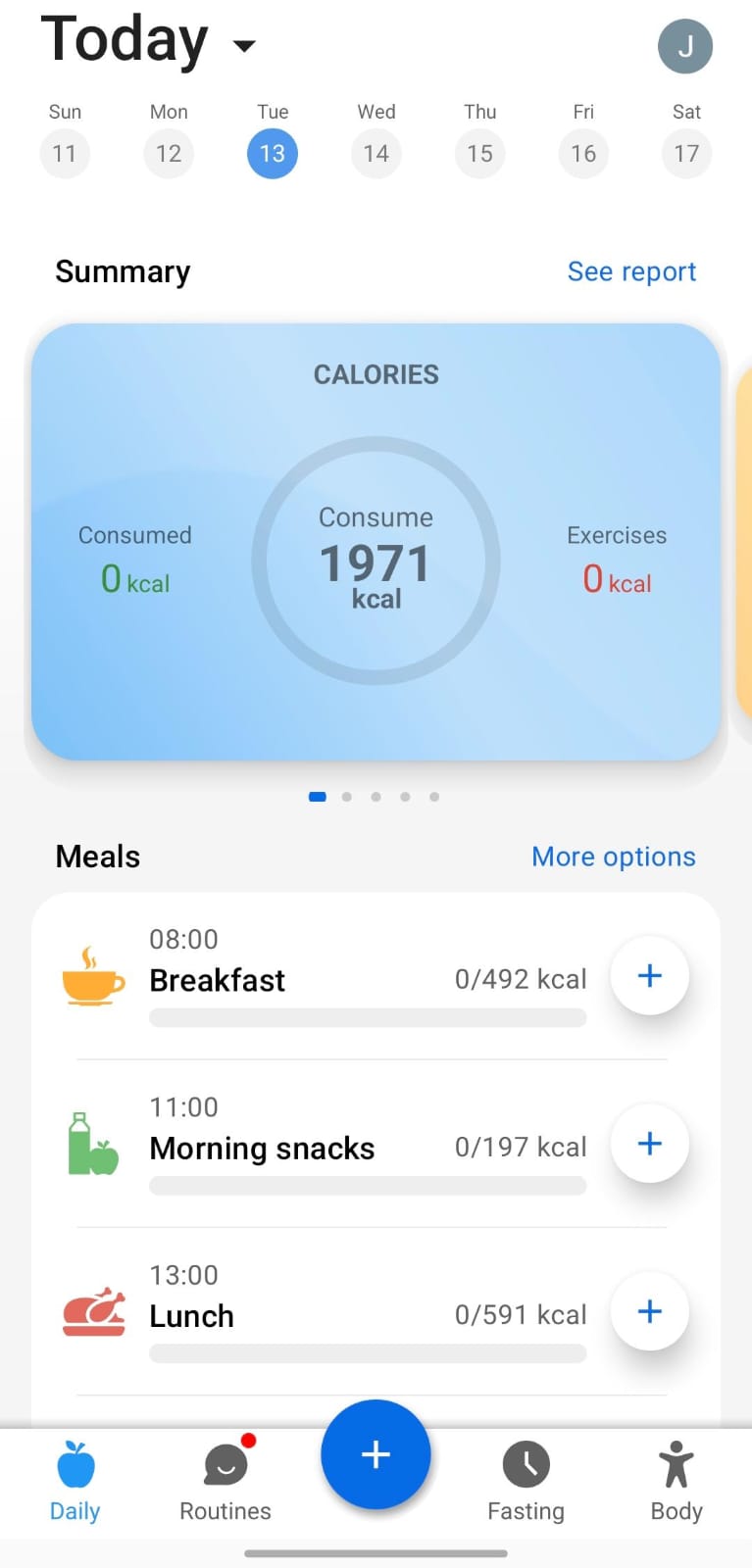
5. Vitamenu (Re-education with Caution)
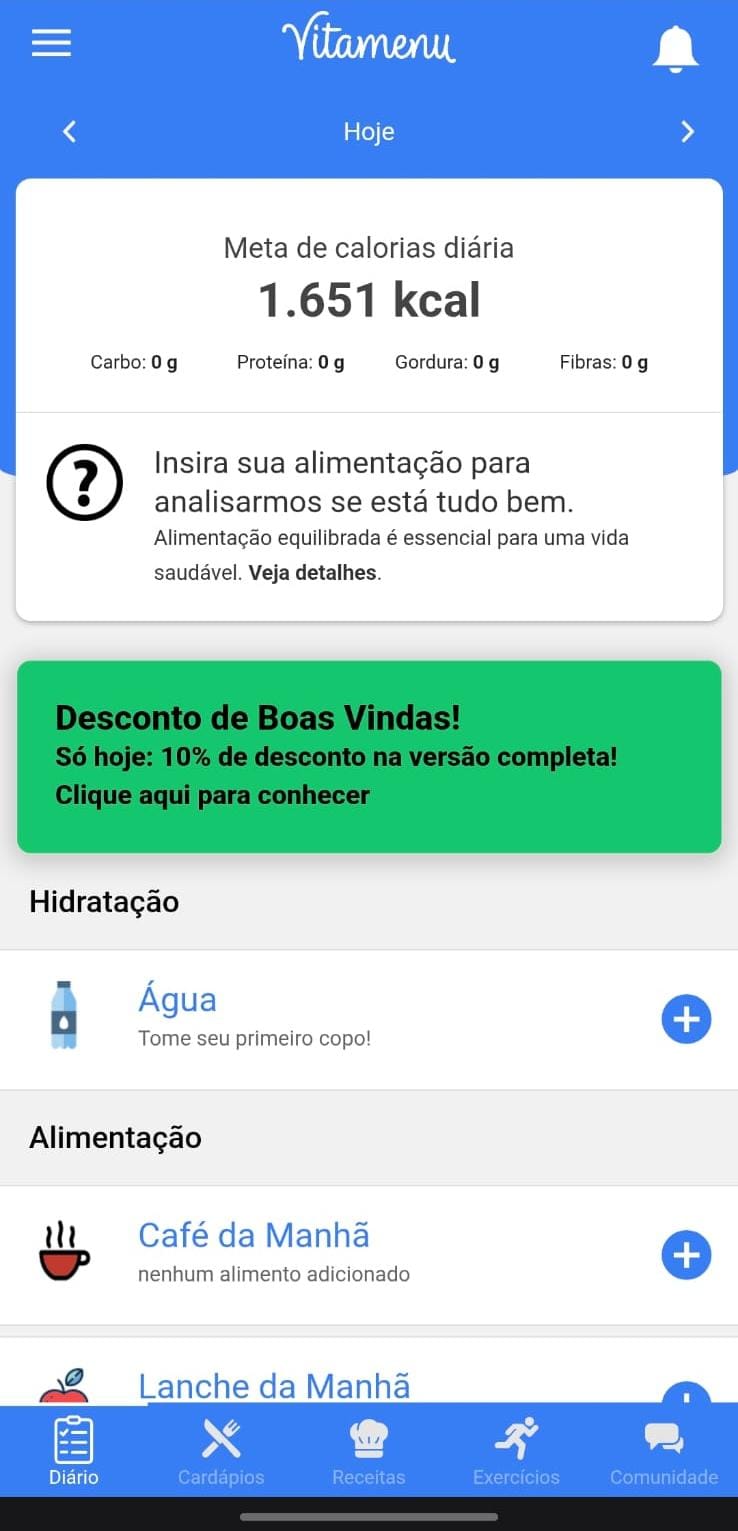
Vitamenu focuses on dietary re-education with simple and accessible menu suggestions, avoiding expensive gourmet ingredients. It offers robust tools like BMI calculators and time projections to reach your ideal weight.
- The Caution: Despite good features, it is important to note that recent users have reported instability regarding billing and support. We recommend testing the free version thoroughly before subscribing.
- Best For: Those seeking weight loss with “real food” and everyday dishes.

 EN
EN  PT
PT  ES
ES