
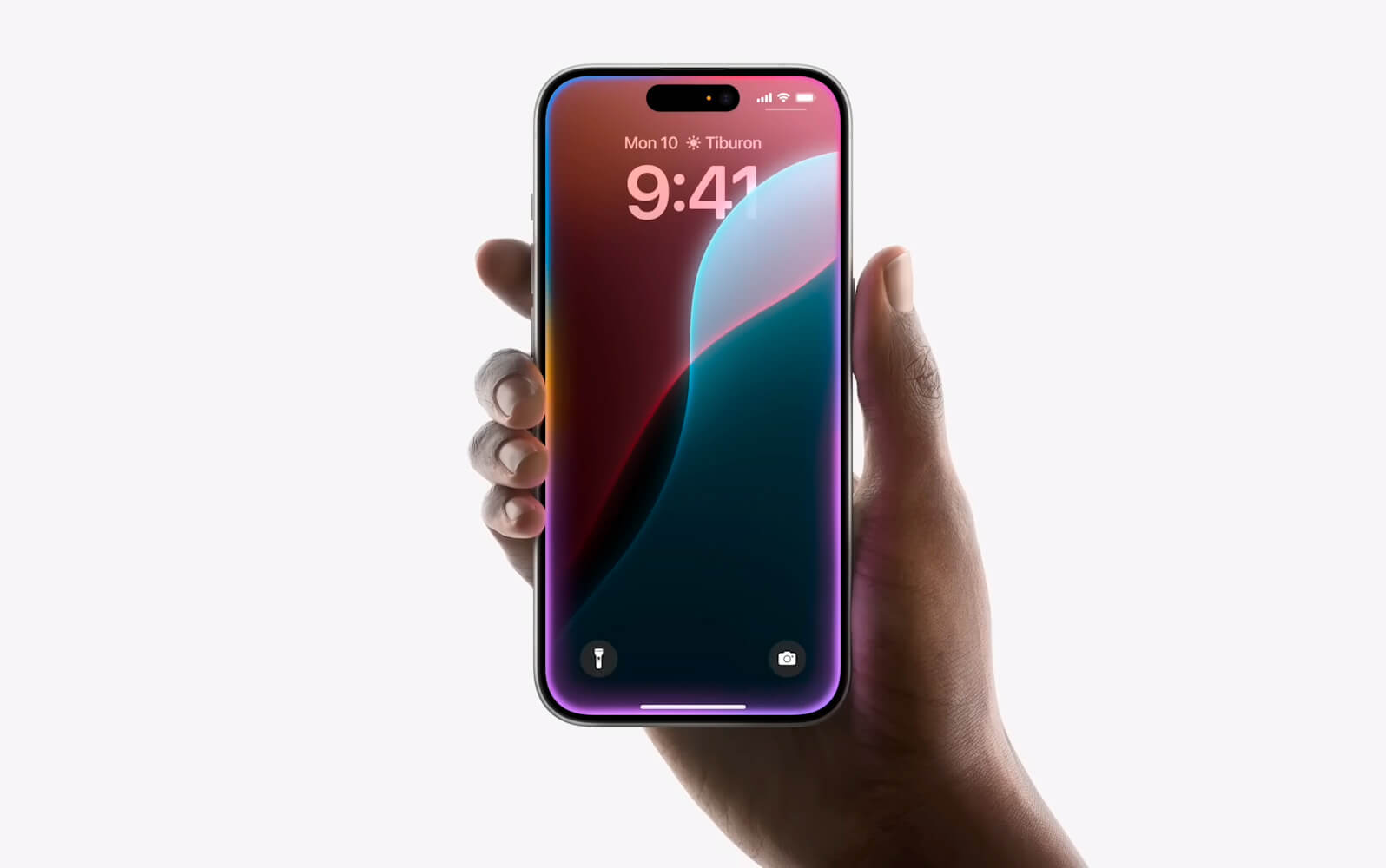

In the frantic world of tech, being “late” is often seen as a death sentence. However, Apple appears to be playing chess while the rest of Silicon Valley plays checkers. An explosive new report from The Information suggests that Cupertino’s conservative strategy regarding Generative Artificial Intelligence wasn’t just caution, but a brilliant financial and strategic maneuver that could culminate in market dominance by 2026.
While the popular narrative claims Apple “missed the AI boat,” internal numbers tell a story of efficiency and preparation for the right moment, focusing on a total overhaul of Siri and capital preservation.
The $130 Billion Savings and the Bursting Bubble
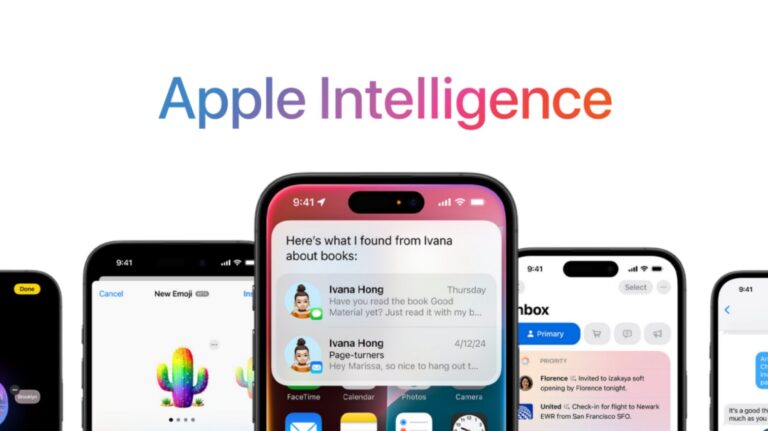
The report’s key revelation is the financial impact of Apple’s decision not to immediately join the infrastructure spending war. While Google, Microsoft, and Meta poured billions into data centers and Nvidia H100 chips, Apple kept its wallet closed regarding proprietary Large Language Models (LLMs).
It is estimated that this decision saved the company’s coffers around $130 billion. The internal logic is skeptical and pragmatic: Apple believes that LLMs are becoming “commodities”—basic, interchangeable technologies that do not justify costly proprietary development. If the “AI bubble” bursts due to a lack of return on investment for its competitors, Apple will be capitalized and ready to cherry-pick the best partnerships.
Mike Rockwell and the New Siri: Product Over Research
To ensure 2026 is the turning point, Apple has made drastic changes to its corporate structure. The era of John Giannandrea (the former AI chief), which focused on academic research, seems to have given way to product pragmatism.
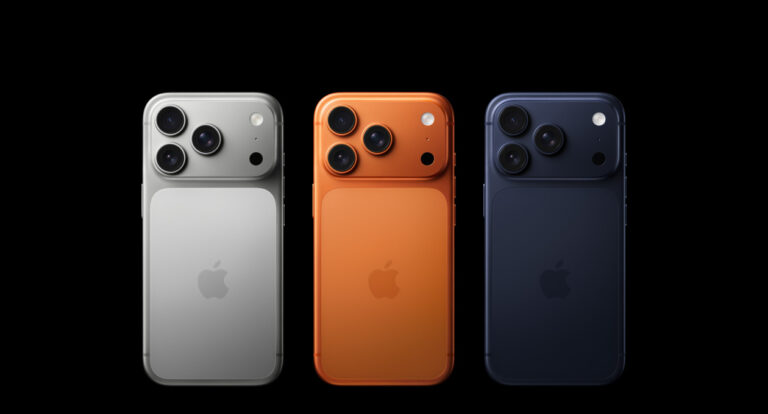
The development of the new Siri has been handed over to Mike Rockwell, the executive responsible for shipping the Apple Vision Pro. Rockwell is known for his ability to turn complex technologies into viable consumer products. Under his leadership, the expectation is that the “LLM Siri” will launch between March and June 2026 (possibly in iOS 19.4 or iOS 20), bringing natural conversation capabilities and, crucially, the ability to navigate and execute actions within third-party apps with precision.
The iPhone Ace and the Google Partnership
The scenario for 2026 outlines an Apple that doesn’t need to “own” the AI brain, but rather the interface. Speculation is rife that the company could seal a historic deal to use Google Gemini as the cloud engine for complex tasks, while Apple focuses on smaller, private models running directly on-device.
Apple’s massive advantage is the iPhone. While OpenAI, Google, and startups like Humane and Rabbit struggle to build AI hardware that people actually want to use, Apple already has billions of devices in users’ pockets. If AI becomes just a feature rather than a standalone product, Apple wins by having the world’s best distribution channel.
Source: The Information / Market Analysis.

 EN
EN  PT
PT  ES
ES