


Being a freelancer requires more than just talent; it requires you to be your own project manager, accountant, salesperson, and administrator. Thankfully, a robust app “stack” can automate and organize your business. While platforms like Upwork and Workana are great for finding gigs, they are just the beginning. To succeed, a freelancer needs a complete ecosystem. This is our list of the 5 essential tools every freelancer should be using.
1. Upwork (For Finding Clients)
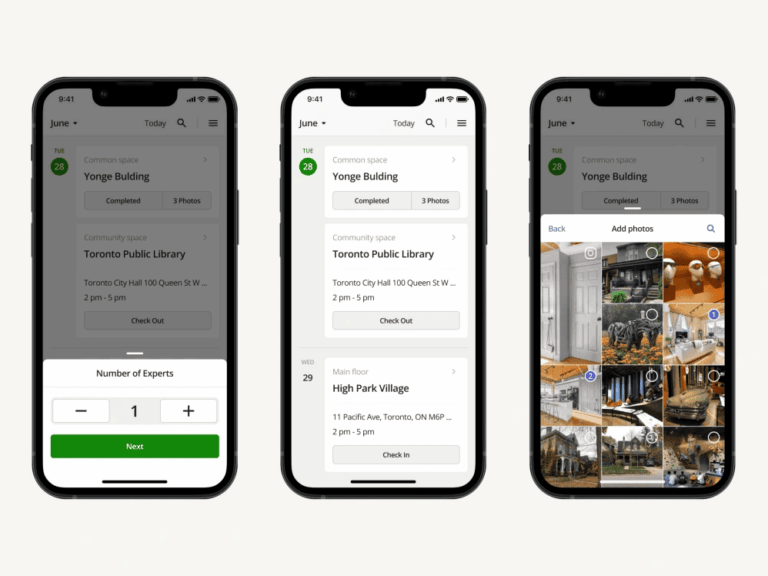
Let’s start with the obvious: you need clients. Upwork is the largest global marketplace for freelancers. It functions as an all-in-one platform where you can build a profile, bid on projects, get paid securely (via escrow), and build a reputation with reviews. While competition is high and the fees (up to 20%) are a drawback, it is an indispensable place to start building a portfolio and generating income.
2. Trello (For Managing Projects)
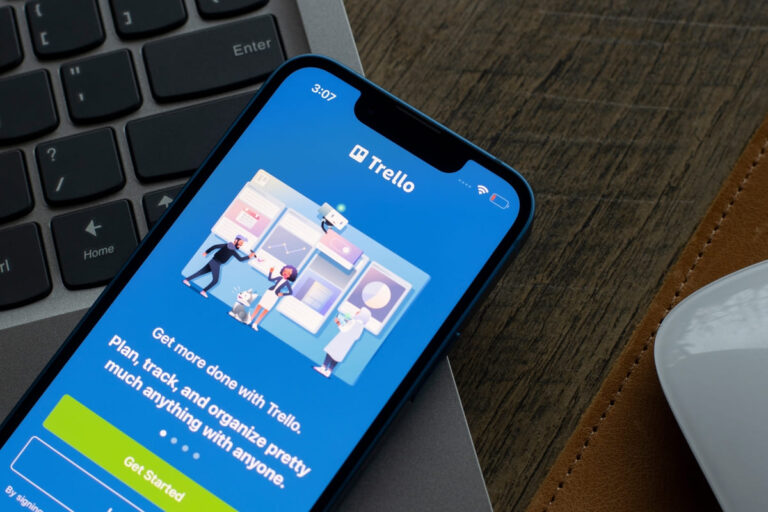
A successful freelancer quickly finds themselves managing 3, 5, or 10 projects at the same time. Emails and notepads aren’t enough. Trello is the most intuitive visual project management tool on the market. Using the Kanban method, you can create “boards” for each client and “cards” for each task, moving them across columns like “To Do,” “In Progress,” and “Done.” It’s the simplest way to stay sane and never miss a deadline.
3. LinkedIn (For Building Authority & Networking)

The best freelancers don’t “hunt” for work; work finds them. LinkedIn is the number one tool for this. It is your professional “billboard.” Instead of just using it as a resume, the smart freelancer uses it for content marketing: posting about their skills, sharing case studies, and connecting with managers and directors at companies. It’s a long-term strategy that brings in the highest-value clients.
4. Toggl Track (For Tracking Time & Billing)
“What is your hour worth?” If you don’t know the answer, you are losing money. Toggl Track is an incredibly simple time-tracking app. With one click, you start a timer for a specific client or project. At the end of the month, you have an exact report of how many hours you worked on each task. This is essential not only for billing clients hourly but also for understanding if your flat-rate projects are profitable.
5. Slack (For Client Communication)
Email is slow, and WhatsApp is messy and unprofessional. Slack is the industry standard for team and client communication. It allows you to create separate “channels” for each project or client, keeping all conversations, files, and feedback organized in one place. Using Slack signals professionalism and efficiency, keeping your work life separate from your personal life.

 EN
EN  PT
PT  ES
ES